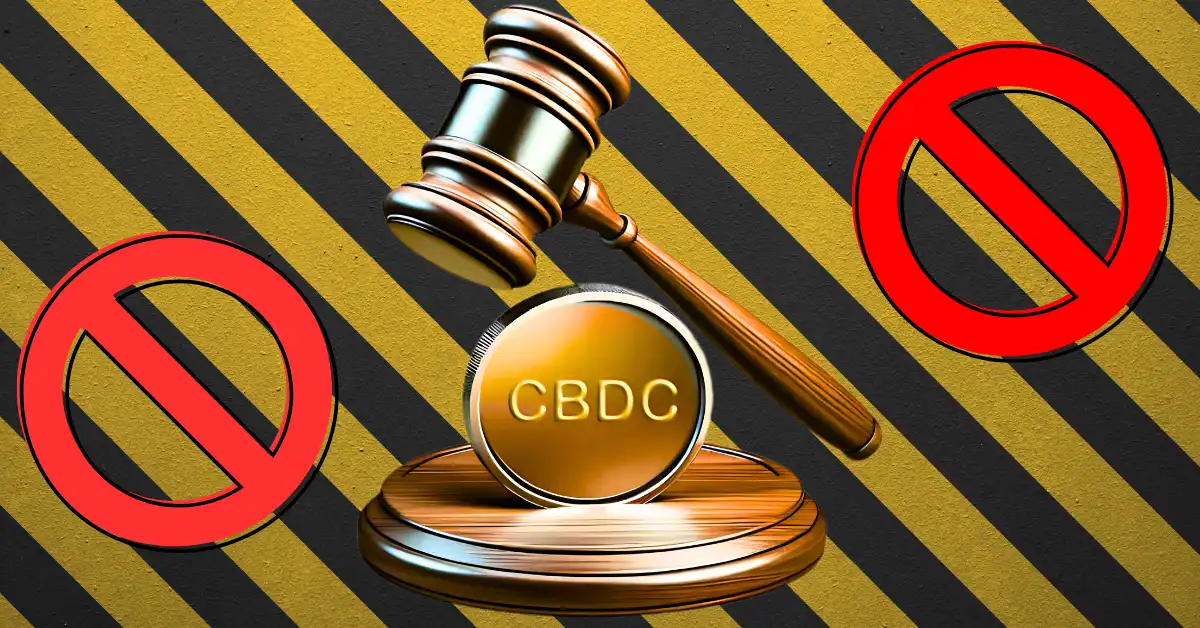
In a move that has sparked discussions throughout the financial and political spheres, U.S. lawmaker Keith Self has submitted an amendment to the National Defense Authorization Act (NDAA) that seeks to ban Central Bank Digital Currencies (CBDCs). Titled the “Anti-CBDC Surveillance State” amendment, the proposal highlights growing concerns among lawmakers about the role and implications of CBDCs in financial freedom and privacy.
Decoding the Amendment: What It Covers
Rep. Self’s amendment is not just about halting the creation of a digital dollar. It goes further to block the Federal Reserve from testing, developing, or supporting any digital assets with CBDC-like features. Additionally, it restricts Federal Reserve banks from offering accounts or financial services directly to individuals. This comprehensive approach aims to prevent any backdoor development of government-controlled digital currencies under other names.
In a recent statement, Rep. Self expressed disappointment over broken promises to include this language in the NDAA and emphasized the critical role this amendment plays in safeguarding individual financial freedoms. “This issue is not just about technology—it’s about basic American freedoms,” he stated.
Why Some Lawmakers Oppose CBDCs
The debate over CBDCs raises fundamental questions about privacy and governmental control. Critics argue that a government-backed digital currency could lead to invasive financial surveillance, restricted spending, and an overall loss of autonomy for individuals. Though many lawmakers support blockchain innovation and cryptocurrencies, they remain adamantly opposed to any centralized system that eliminates personal choice in financial transactions.
On the other hand, proponents of CBDCs suggest they could modernize payments and enhance efficiency in the financial system. However, skeptics within Congress, particularly Republican lawmakers, fear the risks outweigh the rewards.
A Broader Push for Permanent CBDC Ban
The discussion around CBDCs gained momentum earlier this year when former President Donald Trump signed an executive order banning federal agencies from promoting or developing digital currencies. Though the executive order was a significant step, lawmakers believe a permanent legislative ban, rather than a temporary order, is necessary to ensure long-term safeguards.
Rep. Self’s amendment also comes as the House Rules Committee prepares to decide whether the issue will proceed to a full vote. This decision will ultimately determine whether Congress gets the opportunity to officially debate and potentially legislate a permanent ban on government-controlled digital currencies.
What This Means for Crypto Enthusiasts
While the legislated ban targets CBDCs, it doesn’t extend to decentralized cryptocurrencies like Bitcoin or Ethereum. In fact, many lawmakers have reiterated their support for decentralized blockchain technologies. This ongoing CBDC debate is viewed by some in the crypto industry as a positive development, as it underscores the importance of resisting centralized control while encouraging decentralized financial innovation.
Consider Safeguarding Your Financial Privacy
As privacy concerns take center stage in the global financial landscape, many individuals are turning to tools designed to protect their personal and financial information. If you’re looking for ways to enhance your financial security, one option is the Ledger Nano X, a leading cryptocurrency hardware wallet. With military-grade security and support for multiple assets, it’s an excellent solution to ensure your digital assets remain safe.


