The gaming world is evolving rapidly, and at the crossroads of this change lies the intersection of traditional game design and blockchain technology. For decades, gaming success has been driven by two main factors: the quality of the storyline and the depth of its graphics. However, the rise of decentralized technology and mobile gaming is shifting these markers of success, paving the way for new possibilities and challenges.
The Debate: Traditional Studios vs. Blockchain Innovation
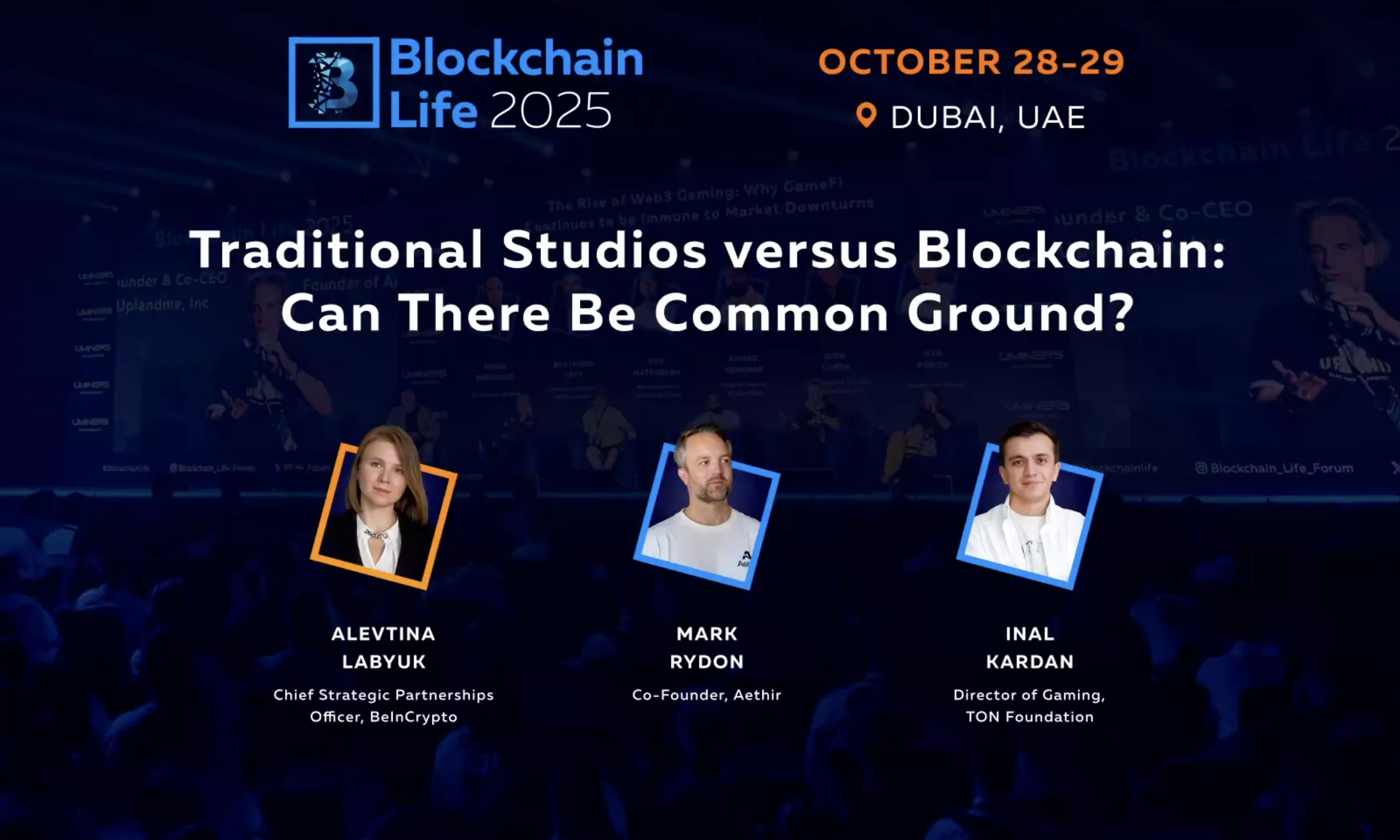
At the recent BeInCrypto panel titled “Traditional Studios vs. Blockchain: Can There Be Common Ground?”, industry leaders delved into this very question. Alevtina Labyuk, Chief Strategic Partnerships Officer at BeInCrypto, moderated an engaging discussion with Mark Rydon, Co-Founder of Aethir, and Inal Kardan, Director of Gaming at TON Foundation. Central to their conversation was a shared belief that blockchain does not aim to replace traditional gaming fundamentals but to enhance them in ways previously unimaginable.
Shifting Player Priorities in Gaming
Labyuk began by highlighting how traditional gaming has remained largely unchanged for decades. However, with blockchain and mobile games growing in prominence, success in the industry increasingly hinges on factors like player agency, digital ownership, and economic participation rather than just captivating graphics or storylines.
Despite these advances, one major hurdle remains: most gamers are indifferent to blockchain itself. According to Kardan, “95% of players don’t care about the blockchain layer; they simply want to enjoy the game.” This sentiment signals that blockchain’s role in gaming must be subtle, serving as an invisible feature that enhances fun and engagement rather than being the centerpiece.
Why Blockchain Matters to a Core Minority
While most players prioritize entertainment, blockchain becomes crucial for a minority who care about security and ownership. For instance, in the Telegram ecosystem, digital asset ownership secured by smart contracts is essential for certain users. The immutable and transparent nature of blockchain technology ensures trust and maintains the scarcity of digital assets, addressing key concerns for economically active gamers.
One compelling example is the CS:GO skins market, which demonstrates the risks of centralized control over game economies. According to Mark Rydon, Valve’s decision to alter the rarity rules for certain skins caused the market value to collapse from $6 billion to $3 billion nearly overnight. In contrast, blockchain’s unalterable smart contracts could prevent such drastic changes, protecting user investments and fostering trust.
The Challenges for Legacy Studios
Major studios like Sega and Ubisoft have begun exploring blockchain, albeit with mixed success. Often, these efforts appear insincere, lacking a genuinely player-focused approach. Inal Kardan observed that, “Most studios move from one blockchain to another seeking grants, instead of creating value for their games.” For blockchain integration to succeed, traditional studios must move beyond grant-seeking behavior and align their innovations with genuine player benefits.
Building Trust and Value for Gamers
As the panelists emphasized, developers must demonstrate that blockchain enhances gaming experiences meaningfully. Blockchain can solve critical issues like secure ownership, transparent transactions, and true cross-game interactivity. However, without a real use case, blockchain risks being perceived merely as a speculative gimmick.
Mark Rydon underlined a powerful example: “A blockbuster game like GTA 6 integrating blockchain functionality could showcase its true value across a mainstream audience. But it’s on developers to convince players that this innovation benefits them beyond hype.”
The Future of Blockchain and Gaming
The future of Web3 gaming hinges on creating sustainable, balanced ecosystems that prioritize fun, competition, and creativity alongside economic participation. As Kardan warned, “If 90% of a game’s users are there just to make money, the system collapses.” Developers must adopt balanced economic models to ensure long-term adoption and success.
For players and developers seeking to explore the synergy of blockchain and gaming, tools like the MetaMask Wallet or decentralized marketplaces can enable secure ownership and trading of digital assets. Products like this help bridge the gap between traditional gaming systems and blockchain ecosystems.
Final Thoughts
Blockchain is not a replacement for traditional gaming fundamentals but a transformative tool to broaden opportunities for gamers. By addressing issues like digital ownership and economic transparency, it offers developers new possibilities to create innovative games. However, its success will depend on delivering tangible value to players, fostering trust, and crafting gaming experiences where fun remains at the forefront.