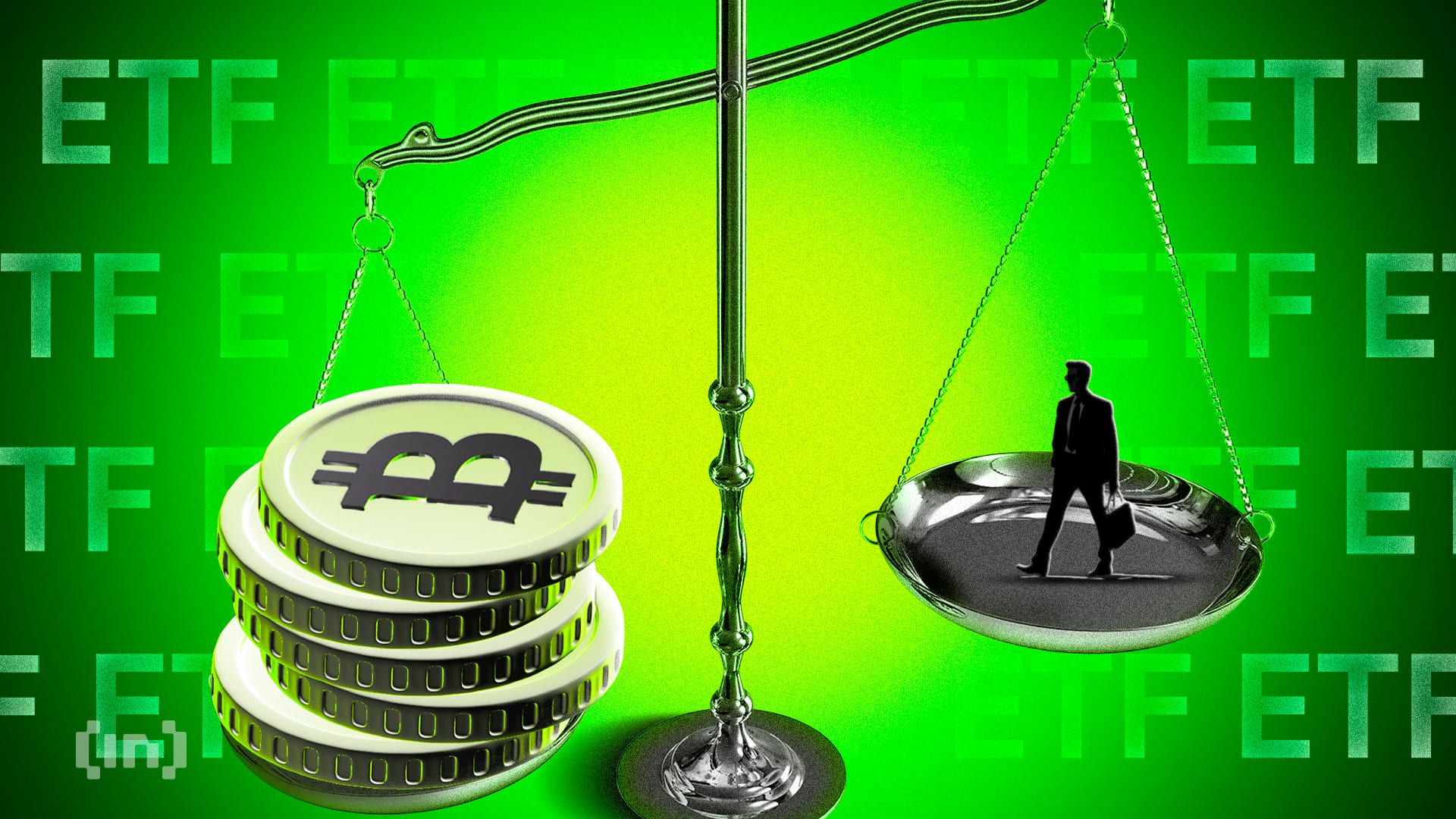
The world of Bitcoin is currently at a crossroads as a heated debate emerges regarding Bitcoin ETFs and the concept of self-custody. As the cryptocurrency industry grows, so does the polarization between traditional institutional investment mechanisms like ETFs and the decentralized golden rule of self-custody. Let’s take a deeper dive into why this debate matters and what it could mean for the future of crypto.
The Rise of ETFs in Crypto
Exchange-Traded Funds (ETFs) have become an increasingly popular way to gain exposure to Bitcoin and other cryptocurrencies. ETFs make it easier for retail and institutional investors to invest in Bitcoin without needing to handle the complexities of securing private keys or using crypto wallets. They promise accessibility, reduced risks for novice investors, and scalability.
Notably, conversations about ETFs have been propelled by industry experts such as Fred Krueger, who advocates for a strategy that welcomes institutional adoption while preserving self-custody rights. Krueger supports embracing ETFs as they pave the way for mass adoption via traditional financial infrastructure, but he also emphasizes the importance of safeguarding personal sovereignty through self-custody for those who prioritize independence.
Why Bitcoin Purists Advocate for Self-Custody
For die-hard Bitcoin enthusiasts—often referred to as OGs—the appeal of Bitcoin boils down to personal sovereignty. Self-custody enables individuals to hold their own private keys and maintain full control over their digital assets without relying on third-party institutions. To many purists, self-custody embodies the ethos of Bitcoin’s decentralized foundation.
However, detractors of ETFs argue that adopting them could inadvertently grant corporations or financial institutions undue influence over Bitcoin, weakening the asset’s core principles. Popular analyst Sam Wouters criticized ETFs as confining Bitcoin ownership into a “bird in a cage,” pointing out that users of exchanges can still withdraw funds into self-custody—a feature absent in ETFs.
The Dual Strategy: A Path Forward?
Nick Szabo, a renowned computer scientist and early cryptocurrency pioneer, proposes an intriguing dual-strategy approach. He highlights Bitcoin’s central promise of theft resistance as a critical feature and argues that both institutional adoption and self-custody can coexist. This perspective considers varying preferences among investors, from those comfortable with centralized solutions to those who prioritize control.
For individuals seeking self-custody, tools like the Ledger Nano X Hardware Wallet offer enhanced security for managing private keys. This device provides a seamless way to store Bitcoin offline, safeguarding it from online vulnerabilities while empowering users with the freedom to own their cryptocurrency independently.
ETF Adoption vs. Bitcoin’s Core Values
The ETF–self-custody debate spotlights a deeper divide: scalability versus sovereignty. Critics fear that ETFs risk potentially allowing centralized institutions to influence Bitcoin’s protocol decisions. On the other hand, ETF advocates argue that these funds democratize Bitcoin, bringing it into the hands of millions of investors who may otherwise never engage with the cryptocurrency.
Meanwhile, controversy persists over the costs involved. Some users cite high conversion fees when purchasing Bitcoin through exchanges or ledgers, whereas others reject ETF fees as unnecessary when self-custody solutions are available at far lower costs.
The Bigger Picture
As Bitcoin advances into the mainstream, the ongoing debate between ETFs and self-custody is more than just a financial argument; it is a test of Bitcoin’s identity. Will Bitcoin remain the decentralized bastion of personal sovereignty, or will it evolve into a more traditionally governed financial asset? Ultimately, the future may lie in a balance between both worlds, enabling broader adoption while preserving the foundational values of the original cryptocurrency.
For those stepping into the crypto world, understanding these opposing perspectives is key to making informed decisions about Bitcoin investments. Whether you choose self-custody or a product like an ETF, prioritize security, education, and long-term goals to navigate the complexities of the crypto landscape successfully.


