Netflix’s Game-Changing Negotiation
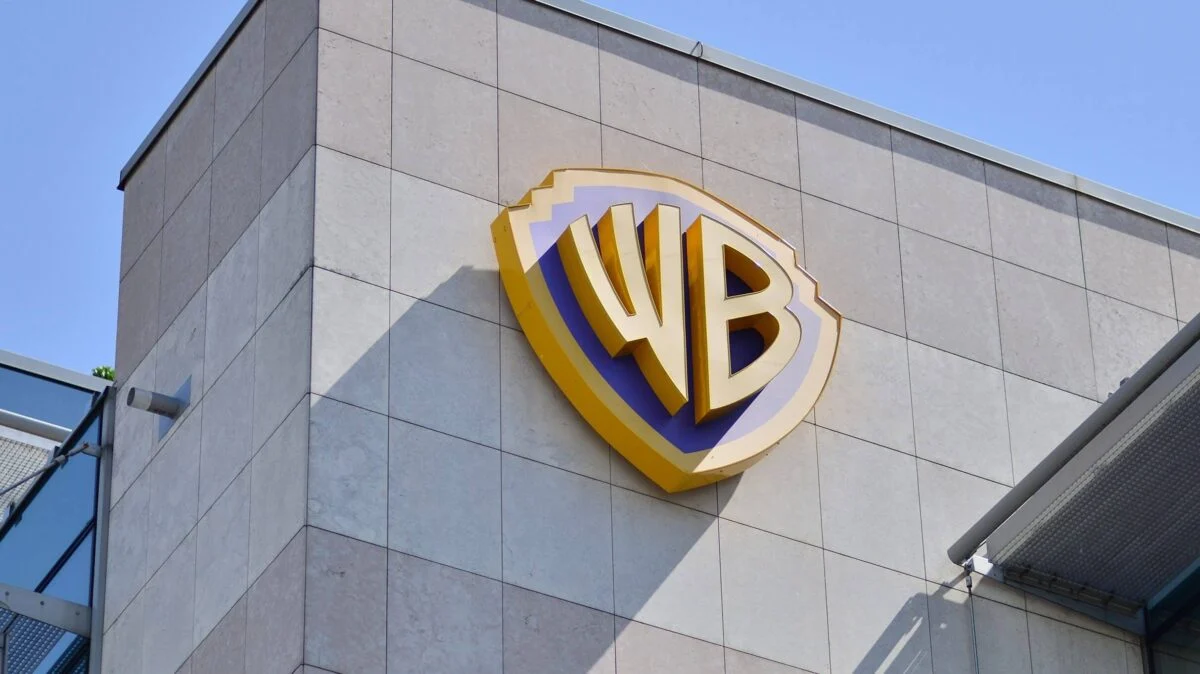
Netflix is making headlines with its monumental move to acquire Warner Bros. Discovery’s renowned film and TV studios, as well as the popular streaming service HBO Max. The deal, valued at $28 per share, mostly in cash, is the largest acquisition in Netflix’s history. If successfully closed, this acquisition could reshape the entertainment landscape, boasting a combined subscriber base of over 450 million.
The Bid That Set Netflix Apart
During a competitive bidding war that included industry giants like Paramount, Skydance, and Comcast, Netflix emerged victorious by securing exclusive negotiation rights. Netflix’s offer of a $5 billion breakup fee—a guarantee in case regulators block the deal—demonstrates its commitment to closing this transformative acquisition.
Warner Bros.’ stock surged by 4.3% following the announcement, while Netflix experienced a slight dip of 0.6%. The streaming leader continues to bet big, leveraging its $437 billion market value that has been primarily built on licensing content and investing in original programming.
Regulatory Challenges Ahead
The proposed acquisition has sparked antitrust concerns from lawmakers, with scrutiny from both U.S. and European regulators. California Representative Darrell Issa and Utah Senator Mike Lee have voiced worries about the potential negative impact on consumer choices and competition.
Netflix counters these concerns by emphasizing that competition from platforms like YouTube keeps the industry diverse. The company also claims that the acquisition will enable cost savings for consumers through bundling strategies.
A Merger of Eras
If successful, this acquisition will unite two entertainment powerhouses with rich histories. Warner Bros., established in the 1920s, hosts an iconic film and TV library, while Netflix, a streaming pioneer, initially launched as a DVD rental service nearly 30 years ago. This deal will provide Netflix ownership of HBO’s celebrated show library, Warner Bros.’ renowned Burbank studios, and an expansive film and TV archive.
As traditional television continues to decline, this acquisition positions Netflix to not only stay competitive but also take on rivals like Disney and Paramount. Warner Bros.’ cable revenue saw a notable drop of 23% last quarter, reflecting the rapid shift to on-demand streaming services.
Streaming Evolution & Consumer Trends
With this deal, Netflix could redefine the way audiences access premium content. Owning Warner Bros.’ assets would allow Netflix to both bolster its library and experiment with bundling options and potential theatrical releases for its original productions.
To enhance your streaming experience, consider investing in the Logitech Harmony Elite Remote Control. This premium device consolidates streaming services and smart home controls in a single platform, ensuring seamless entertainment sessions.
The Road Ahead
Industry experts anticipate that the deal could be officially announced within days if negotiations proceed smoothly. Warner Bros. has also planned to divest cable channels like CNN, TBS, and TNT before finalizing the transaction. With combined revenues exceeding $78 billion, the merged companies have the opportunity to dominate the global entertainment industry, provided they navigate regulatory hurdles.
As the entertainment industry evolves, Netflix’s strategic acquisition of Warner Bros. Discovery and HBO Max could mark the beginning of a new era in streaming.