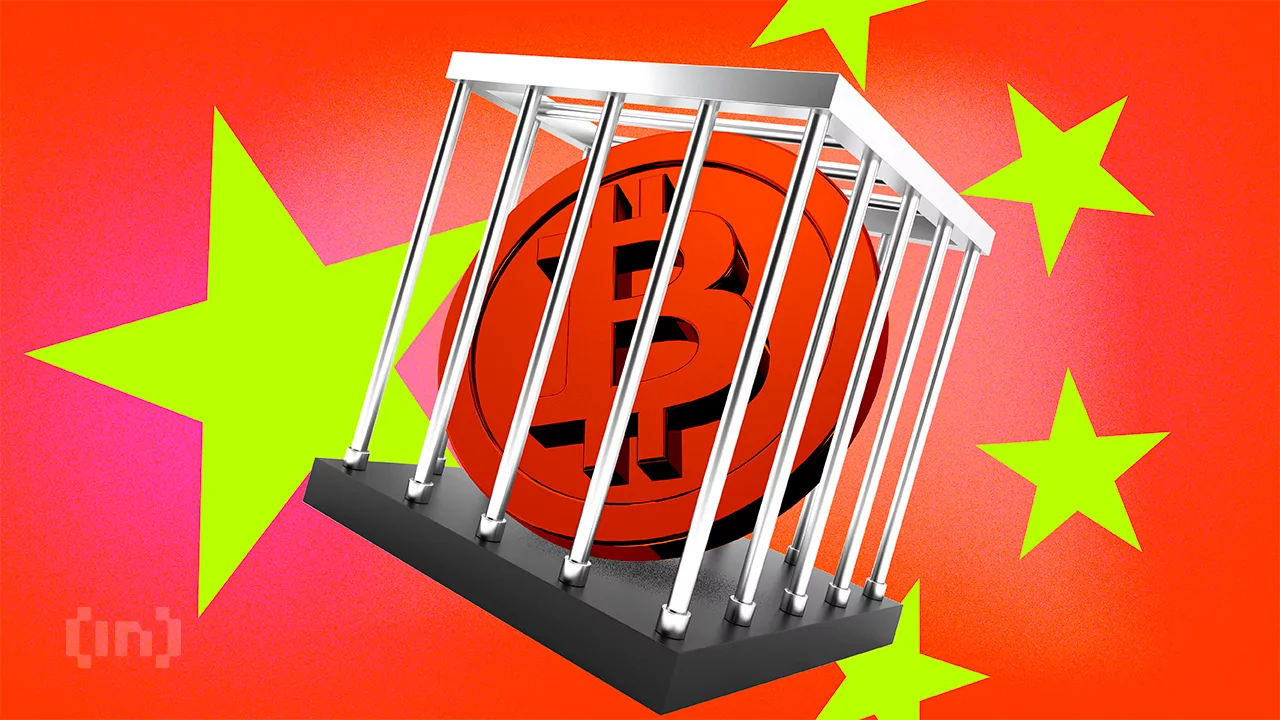
The dynamics of the cryptocurrency market are evolving rapidly, and one of the most significant shifts involves Chinese investors rethinking their reliance on dollar-pegged stablecoins such as USDT. Several factors, from currency appreciation to regulatory pressures, have contributed to this change. Let’s dive into why dollar stablecoins are no longer the safe harbor they once were for Chinese investors.
The Impact of the Strengthening RMB
Over the past six months, the offshore renminbi (RMB) has appreciated significantly, growing from a value of 7.4 to 7.06 against the US dollar. While this is evidence of a stronger Chinese economy, it has created challenges for those holding dollar-denominated assets like stablecoins. For Chinese crypto enthusiasts, this appreciation has meant quiet but impactful losses. For example, an investor who exchanged 100,000 yuan for USDT in April at a rate of 7.4 USD/CNY would now only receive approximately 95,400 yuan upon conversion back at 7.06—a loss of approximately 4.6%.
Contributing to this economic backdrop is the falling dollar index, which has declined nearly 10% due to weak US employment data and aggressive measures by the Federal Reserve to cut interest rates. At the same time, the Shanghai Composite Index has surged past 4,000, attracting foreign capital and further boosting the RMB. These intertwined factors have made holding USDT and related stablecoins a less attractive investment.
Tightening Regulations and Their Effect
In addition to fluctuating currency values, regulatory developments have further dented the appeal of dollar stablecoins in China. In May, the People’s Bank of China, alongside 13 other ministries, officially declared stablecoins like USDT as a regulatory concern. Citing risks of money laundering, fundraising fraud, and illegal cross-border capital transfers, China’s central bank labeled stablecoins as virtual currencies with no legal tender status under the country’s cryptocurrency ban.
This crackdown has sparked concern within the Chinese crypto community. Peer-to-peer markets have already reflected these pressures, with the USDT-to-RMB exchange rate falling below 7. This drop, coupled with growing transaction fees and spreads, indicates that market confidence in stablecoins is waning.
New Investment Strategies: The Rise of Tokenized Assets
To mitigate losses and navigate strict regulations, Chinese investors are exploring alternative strategies. One increasingly popular solution involves investing in on-chain, dollar-denominated real-world assets, such as tokenized US equities and gold. These assets not only offer a hedge against the depreciating dollar but can also yield returns, thereby offsetting currency losses and regulatory challenges.
This trend reflects a broader global movement where institutional investors are leveraging blockchain technology to tokenize physical assets like real estate, commodities, and even fine art. By blending traditional investment markets with the transparency and efficiency of blockchain, these innovations are reshaping global finance.
The Decline of Stablecoins as Safe Havens
The decline of stablecoins as a reliable hedge marks a significant turning point for the Chinese crypto market. The era of viewing stablecoins like USDT as risk-free savings accounts may be over, ushering in a time where investors prioritize diversification and embrace tokenized assets. While the regulatory landscape in China remains uncertain, the shift away from dollar stablecoins highlights a broader redefinition of financial strategies in the crypto industry worldwide.
For those navigating this new era of investment, tools that facilitate access to tokenized assets have become essential. Consider platforms like eToro, which offer exposure to various tokenized equities and commodities. Such platforms can empower investors to capitalize on these emerging trends.


