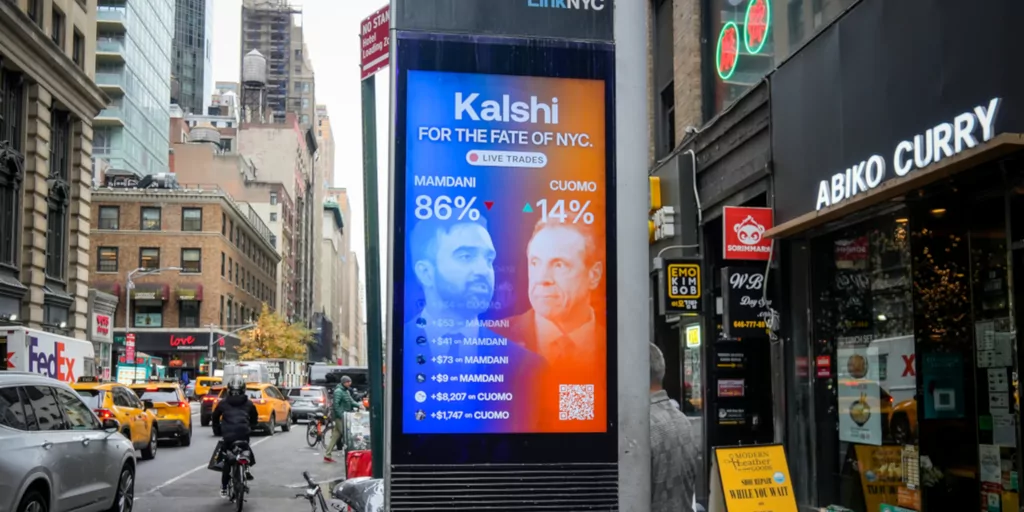
Prediction markets have become a fascinating intersection of finance, technology, and forecasting. One company at the forefront of this sector is Kalshi. However, its revolutionary strides in the industry are encountering regulatory resistance, particularly from the state of Nevada.
Kalshi’s Recent Legal Setback
Right before Thanksgiving, Kalshi lost its preliminary injunction, which previously shielded it from enforcement by Nevada state regulators. This development opens the company to potential legal actions if it continues operations within the state while its appeal is pending. Despite this obstacle, Kalshi remains resilient, filing an emergency motion asking the court to reinstate protections during its appeals process.
Kalshi operates prediction markets where users can forecast the results of future events, from politics and sports to crypto and conventional markets. This innovation offers a unique way to gauge public sentiment and analysis, but it’s also sparked debates about legality and regulatory oversight. The company holds a federal license from the Commodity Futures Trading Commission (CFTC), which it argues grants permission to operate in all 50 states. Unfortunately, Nevada regulators disagree, taking measures to limit Kalshi’s operations within the state.
Prediction Markets’ Big Picture
Kalshi is not alone in the prediction market space; competitors like Polymarket also face regulatory challenges. The industry itself has immense growth potential. According to a report by Certuity, prediction markets could grow to $95.5 billion by 2035, driven by a compound annual growth rate of 46.8%.
Moreover, Kalshi’s business performance tells an impressive story. Following a $1 billion fundraising round led by Sequoia, the company’s valuation has surged to $11 billion. This financial success underscores the market’s appetite for the services platforms like Kalshi provide, despite ongoing regulatory hurdles.
Regulatory Disputes and Future Implications
The legal framework surrounding prediction markets has been contentious. Nevada regulators argue companies like Kalshi are bypassing traditional gaming regulations, which govern betting in the state. Meanwhile, platforms such as Crypto.com and Robinhood have chosen to pause operations in Nevada to avoid ongoing legal friction.
Currently, Kalshi awaits a decision from a Nevada judge, who has requested the state respond to the company’s emergency motion by December 8. If Kalshi’s appeal succeeds, it could set a precedent that shapes the legal landscape for prediction markets across the nation.
Drive Smarter Decision-Making with AI-Optimized Predictions
For anyone exploring the world of prediction markets, accuracy and data-driven insights are essential. Aside from platforms like Kalshi, other tech-driven financial tools exist to elevate your forecasting strategies. Consider exploring AI-powered platforms such as TradingView, which provides advanced charting and analytics to boost your decision-making capabilities.
As prediction markets continue to evolve, the regulatory battles they face highlight the balance between innovation and compliance. Stay tuned to witness how this dynamic industry unfolds in the coming years.



