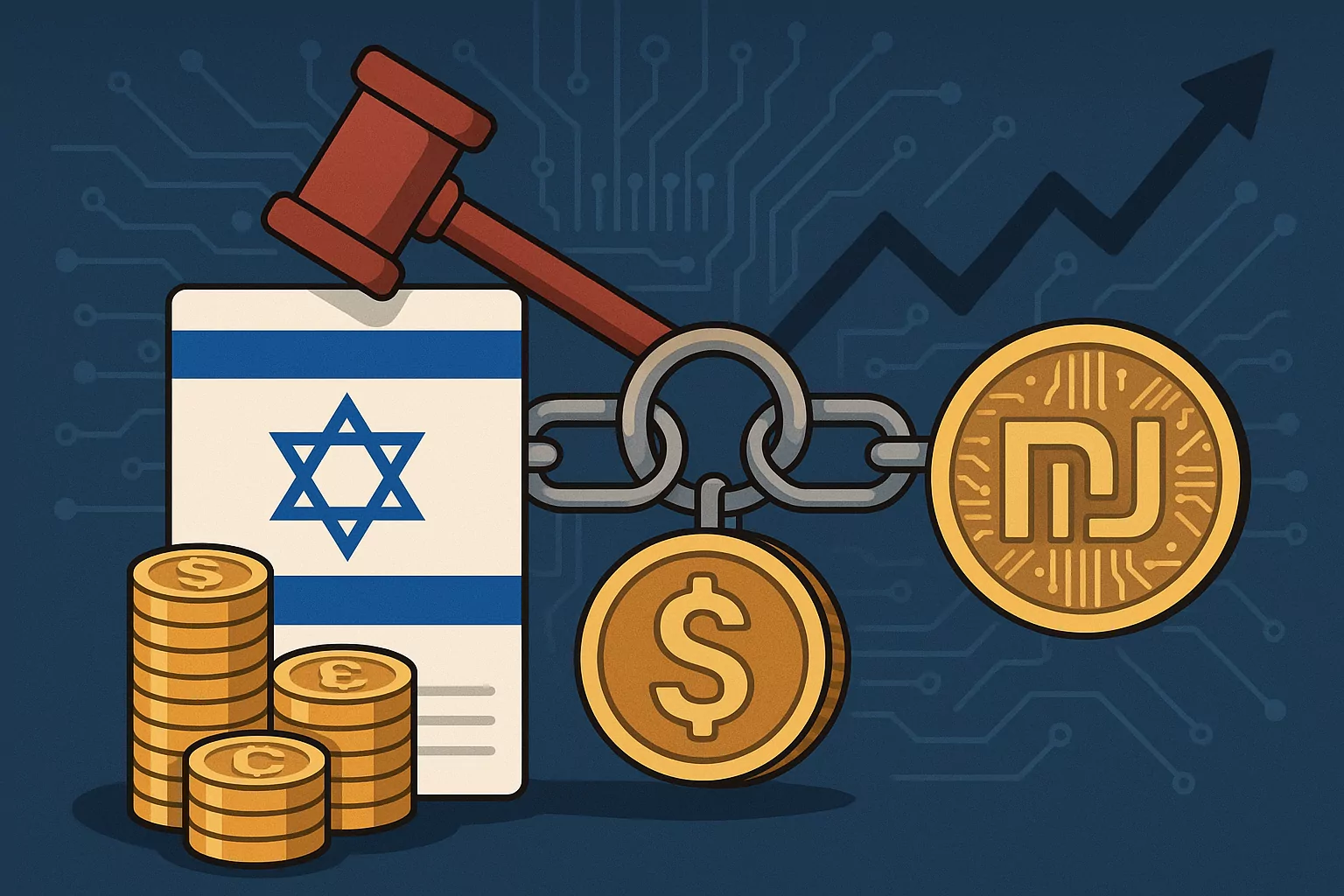
Israel Tightens Stablecoin Oversight Amid Growing Global Adoption
Israel is taking significant steps to regulate stablecoins as their influence continues to grow in the global financial ecosystem. The Bank of Israel has highlighted stablecoins like Tether and Circle as critical components of the payment infrastructure, driving the need for stricter oversight. With a global market capitalization exceeding $300 billion and monthly transaction volumes surpassing $2 trillion, stablecoins have evolved from niche assets to essential tools in trading and cross-border transfers.
The Governor of the Bank of Israel, Amir Yaron, recently addressed these concerns at the Payments in the Evolving Era Conference in Tel Aviv. He emphasized the systemic risks posed by the heavy concentration of market activity through just two issuers: Tether and Circle. These two alone account for about 99% of all stablecoin activity, creating unprecedented vulnerabilities in financial systems dependent on their stability and reserves.
The Push for Robust Reserve Practices
To address potential disruptions, Israeli regulators are advocating for stringent reserve requirements. This includes ensuring stablecoins are backed 1:1 with liquid assets capable of managing large-scale redemptions and sudden liquidity demands. By strengthening regulations, Israel aims to mitigate systemic risks and provide transparency in this burgeoning financial sector.
Digital Shekel Development Gathers Momentum
Alongside regulating private digital currencies, Israel is advancing the digital shekel project as part of its effort to modernize national payment systems. Yoav Soffer, the head of the digital shekel initiative, unveiled a detailed 2026 roadmap, outlining the next phases in its development. The roadmap reveals that key recommendations for the currency will be finalized by the end of the year, reflecting Israel’s commitment to innovation in regulated financial channels.
This acceleration mirrors global trends, with central banks like the European Central Bank taking aggressive steps to compete with private digital money. Israel’s digital shekel is envisioned as a secure, government-backed alternative that reinforces control over national payment systems while fostering innovation.
The Future of Stablecoins and Digital Currencies
The discussion around stablecoins and central bank digital currencies (CBDCs) highlights a strategic global race to redefine financial systems. By addressing the dominance of private issuers and supporting the development of regulated solutions like the digital shekel, Israel is positioning itself as a leader in navigating this dynamic financial landscape.
For professionals and businesses interested in exploring the wide-reaching benefits of stablecoins or CBDCs, crypto wallets like eToro’s Secure Digital Wallet offer a user-friendly way to manage, transact, and store digital currencies with ease.